
How to Report an Electricity Fault (Power Cut) in Spain
Experiencing a power cut can be stressful, especially if you are not sure who to call or if the problem is just in your home.
This guide walks you through the immediate steps to take, how to check your equipment, and how to reach the correct emergency support line for e-distribución.
⚡️ Quick Summary
- ✓Check your fuse box first
- ✓Look at your electricity meter for fault codes
- ✓Confirm if neighbors are also without power
- ✓Contact e-distribución for emergencies on 900 85 08 40
1. Safety First
Before checking your equipment, ensure you and your home are safe during the blackout.
- Turn off sensitive electronics (computers, TVs) to protect them from power surges when electricity returns.
- Keep fridge and freezer doors closed to maintain the temperature.
- Use flashlights instead of candles where possible to reduce fire risk.
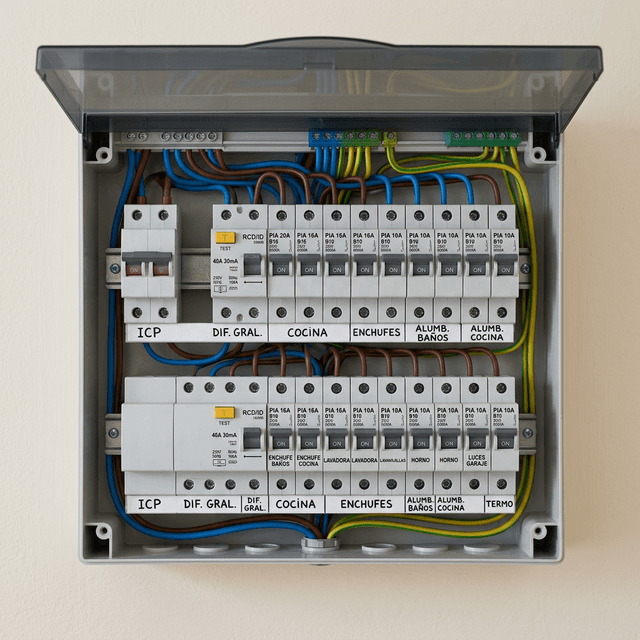
2. Check your Fuse Box (Cuadro Eléctrico)
Verify if the issue is internal to your home. Locate your consumer unit (usually near the front door) and check if any switches have tripped (fallen down).
- If the main switch (ICP) is down, you may have exceeded your contracted power (Potencia).
- If an individual circuit breaker is down, there might be a fault with a specific appliance.
- If the RCD (Diferencial) is down, there could be a localized short circuit or leakage.
3. Check your Smart Meter (Contador)
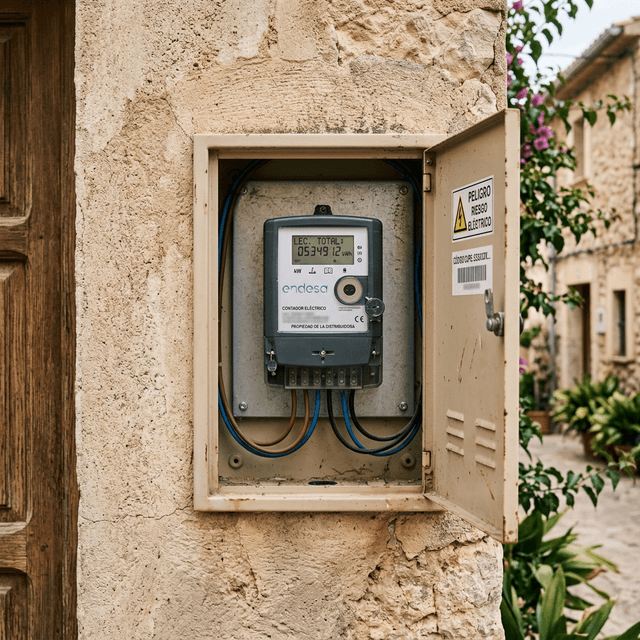
If your fuses are all up but you still have no power, check the display on your smart meter. A solid red light usually indicates that the power has been cut by the meter, possibly due to a remote disconnect or exceeding power capacity. If the screen is blank, the issue is likely with the external grid.
4. Confirm it is an External Fault
Before calling the distributor, confirm the scope of the outage:
Check the street lights or your neighbors' homes.
If the entire building or street is dark, it is definitely a grid issue.
If only your home is affected and the meter looks normal, call an electrician first.
5. Who to Call: e-distribución
In most parts of Spain (especially Andalucía, Catalonia, Aragon, and the Canary Islands), the distributor responsible for the lines is e-distribución.

What information to have ready
- Your CUPS number (found on your bill)
- The exact supply address
- A contact phone number
If you don't know your distributor
Check your latest electricity bill. The name of the 'Distribuidora' is always listed separately from your 'Comercializadora' (the company that bills you).
Frequently Asked Questions
Q. Will I be charged for calling the emergency number?
Q. What if e-distribución is not my distributor?
Q. How long do power cuts usually last in Spain?
Q. Should I call my supplier (e.g. Octopus, Endesa, Iberdrola)?
Understand Your Bill Better
Don't let electricity bills confuse you. Upload your latest bill for a simple, clear explanation in English.
Upload Your BillRelated Guides
See all guidesLow Voltage in Rural Spain: Causes and Solutions
Low voltage in rural Spain can cause pumps, ovens and appliances to fail. Learn what causes it, how to report it, why increasing potencia usually does not help, and what to do next.
Electricity Prices in Spain Explained (kWh Costs & Tariffs)
Learn how electricity prices work in Spain including cost per kWh, time-of-use tariffs (P1 P2 P3) and why prices change daily.
Best Time to Use Electricity in Spain | UswitchSpain
The best time to use electricity in Spain is during sunny hours. Learn why daytime electricity is cheaper and how to shift your usage.