
Fuel prices keep rising as Hormuz tensions rattle oil and gas, while Spain’s electricity stays steadier thanks to solar
Fuel prices remain under pressure as uncertainty around the Strait of Hormuz continues to unsettle oil and LNG markets. In Spain, electricity is holding up far better, with strong renewable output and rising solar generation help keep wholesale prices steadier as summer approaches.
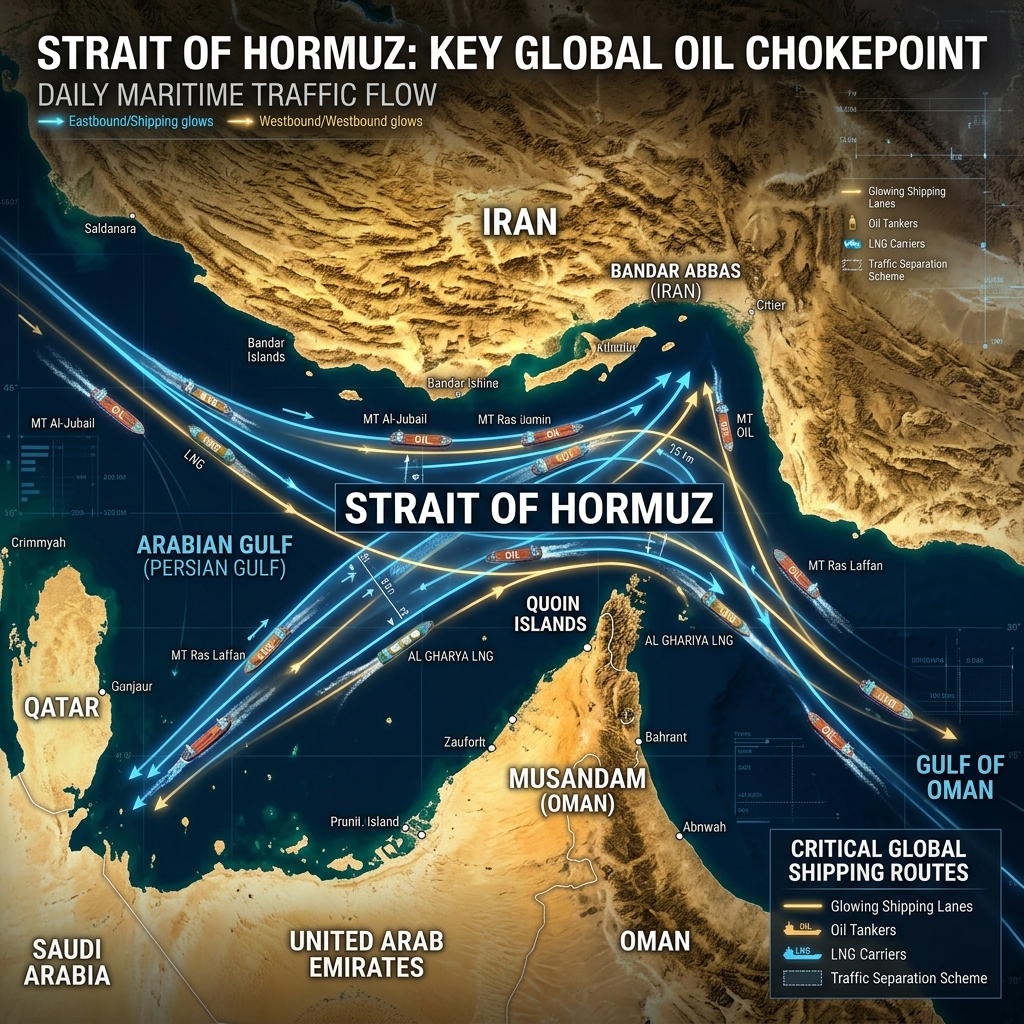
Fuel prices keep rising as Hormuz tensions rattle oil and gas
Fuel prices are rising again because the Strait of Hormuz is still unstable. Oil and LNG markets remain nervous, but Spain’s electricity is holding up far better thanks to strong renewable generation and the start of the country’s strongest solar season.
Fuel prices are continuing to rise as tensions around Iran and the Strait of Hormuz keep global energy markets on edge. Even where there are signs of partial progress, traders are still pricing in disruption risk, and that is feeding directly into the cost outlook for petrol, diesel and gas.
Yesterday, Donald Trump and Iranian officials indicated that the Strait of Hormuz had reopened. But by this morning it was clear the situation was still unstable, not normal. Reuters reports that shipping has only partially resumed, vessel movements remain tightly controlled, and Tehran has signalled the Strait could close again if the United States does not meet its side of the arrangement and guarantee freer navigation for Iranian shipping.
That matters because the Strait of Hormuz is one of the most important energy chokepoints in the world. Any disruption there quickly spills into oil and LNG pricing, and from there into fuel costs across Europe. Reuters reported today that loaded Qatari LNG vessels are only now starting to approach the Strait again, underlining that this is still a fragile and closely watched recovery, not a full return to normal trade flows.
For drivers and households, the knock-on effect is simple enough. When crude oil and refined fuel markets become nervous, petrol and diesel prices usually rise first. Diesel can be especially sensitive in Europe because supply chains are tighter and disruptions to shipping routes tend to have a faster impact. Gas prices can also feel the pressure when LNG cargoes face delays or uncertainty, because traders immediately start pricing in the risk of tighter supply.
Electricity in Spain, however, is telling a different story
Spain’s wholesale power market remains far calmer than the global oil and gas picture. OMIE’s day-ahead market for today, 18 April 2026, shows an average Spanish electricity price of €46.56/MWh. That is not dirt cheap, but it is far more stable than the kind of spike-driven behaviour seen in fossil fuel markets whenever supply routes come under threat.
The reason is straightforward. Spain is now generating a much larger share of its electricity from domestic renewables, which reduces its exposure to imported fossil fuel shocks. Red Eléctrica said renewable technologies accounted for 63.1% of Spain’s total generation in March 2026, while 80.2% came from non-CO2-emitting technologies. Wind led the mix, followed by hydro and solar photovoltaic.
That matters even more as Spain heads into late spring and early summer. Stronger solar radiation and longer daylight hours usually bring heavier daytime solar generation, which helps suppress wholesale prices during the middle of the day. In plain terms, the country is moving into the part of the year when solar has the best chance of acting as a buffer against imported energy shocks.
This does not mean Spain is fully insulated. Gas still matters to the power mix, especially in the evening when solar output fades and flexible generation is needed to balance the system. So if international gas markets tighten badly enough, some of that pressure can still reach electricity prices. But Spain is in a stronger position than many other countries because such a large share of its generation now comes from wind, hydro and solar rather than imported fuel.
So the split in the market is becoming clearer
Petrol, diesel and gas remain vulnerable because they are still closely tied to global commodity pricing, shipping routes and geopolitical flashpoints. Electricity in Spain is more resilient because more of it is being produced locally from renewables with no fuel cost. That is one of the clearest examples of how solar and wind do not just cut emissions, they also reduce exposure to the kind of international shocks that can quickly push fuel bills higher.
If the Strait of Hormuz fully stabilises and normal shipping resumes, pressure on oil and gas could ease. But that is not where things stand today. For now, fuel markets remain nervous, while Spain’s electricity market looks better placed to stay comparatively stable as strong solar production builds into summer.